Flanges are indispensable core components in the connection of pipelines, vessels, and mechanical parts, and their performance is directly related to the sealing effect and operational safety of the entire system. As a crucial step in the manufacturing process, flange processing determines whether a flange can accurately meet design requirements—from shape and size to pressure-bearing capacity, every detail relies on the control of processing technology. This article will comprehensively disassemble the mainstream flange processing techniques from traditional to modern, helping you clarify the characteristics and selection logic of different methods.
I. Traditional Processes: Laying the Basic Framework for Flange Manufacturing
1. Casting Process: An Economical Choice for Batch Complex Shapes
Casting is one of the most traditional methods in
flange processing. By pouring molten metal into a mold to form the shape, it is very suitable for mass production of complex-shaped flanges. Among them, sand casting has lower cost but results in relatively rough casting surfaces and is prone to porosity due to molten metal flow issues, making it more suitable for scenarios with low pressure requirements (such as ordinary pipeline connections); precision casting can improve product accuracy and produce smoother surfaces, but with slightly higher costs, and is often used for niche flanges with shape complexity requirements.
2. Forging Process: A Reliable Guarantee for High Pressure and Heavy Load
Forging shapes the metal blank by applying pressure (such as extrusion by a forging press), with the greatest advantage of dense grain structure—the internal structure of the metal is more uniform, and its strength and toughness are far superior to cast flanges. Open die forging is suitable for single-piece or small-batch production (such as customized large flanges), while closed die forging can ensure higher dimensional accuracy and is suitable for common medium-sized flanges. For this reason, forged flanges are the first choice for high-pressure and heavy-load scenarios, such as high-pressure vessel connections in industrial pipelines.
3. Cutting Process: A Flexible Solution for Rapid Prototyping
Cutting is a commonly used direct forming method in flange processing, which involves cutting metal plates into flange shapes using high temperature or high-energy beams. Flame cutting has the lowest cost but heating affects the surrounding metal structure (with a large heat-affected zone), making it suitable for thicker carbon steel flanges; plasma cutting is faster and has good accuracy, making it a cost-effective choice for many small and medium-sized enterprises; laser cutting has the highest accuracy, can handle complex shapes, but requires large equipment investment and is more suitable for small-batch orders with high precision requirements.
II. Modern High-Precision Processes: Core Means to Meet High-End Demands
With the increasing performance requirements of industrial equipment for flanges, high-precision machining has become a key link in flange manufacturing, mainly including the following three types:
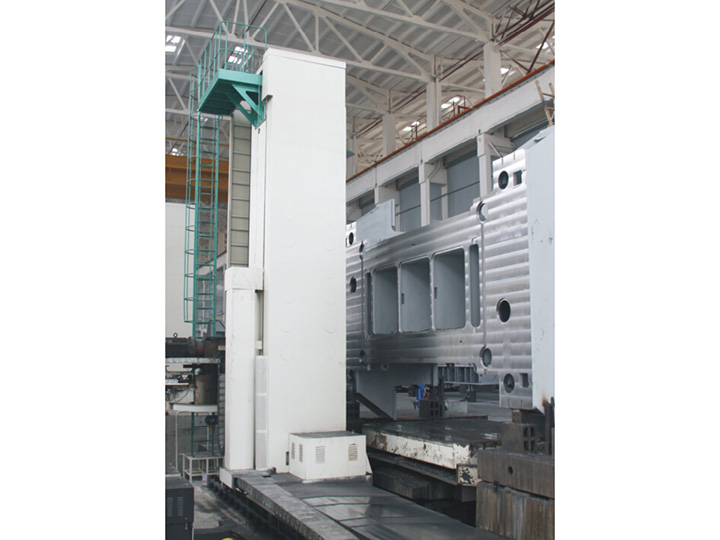
- CNC Turning: Precisely machining the sealing surface of the flange with a CNC lathe, which can control the flatness to an extremely high level, perfectly meeting the sealing requirements of high-pressure flanges (such as high-pressure pipeline connections in chemical equipment).
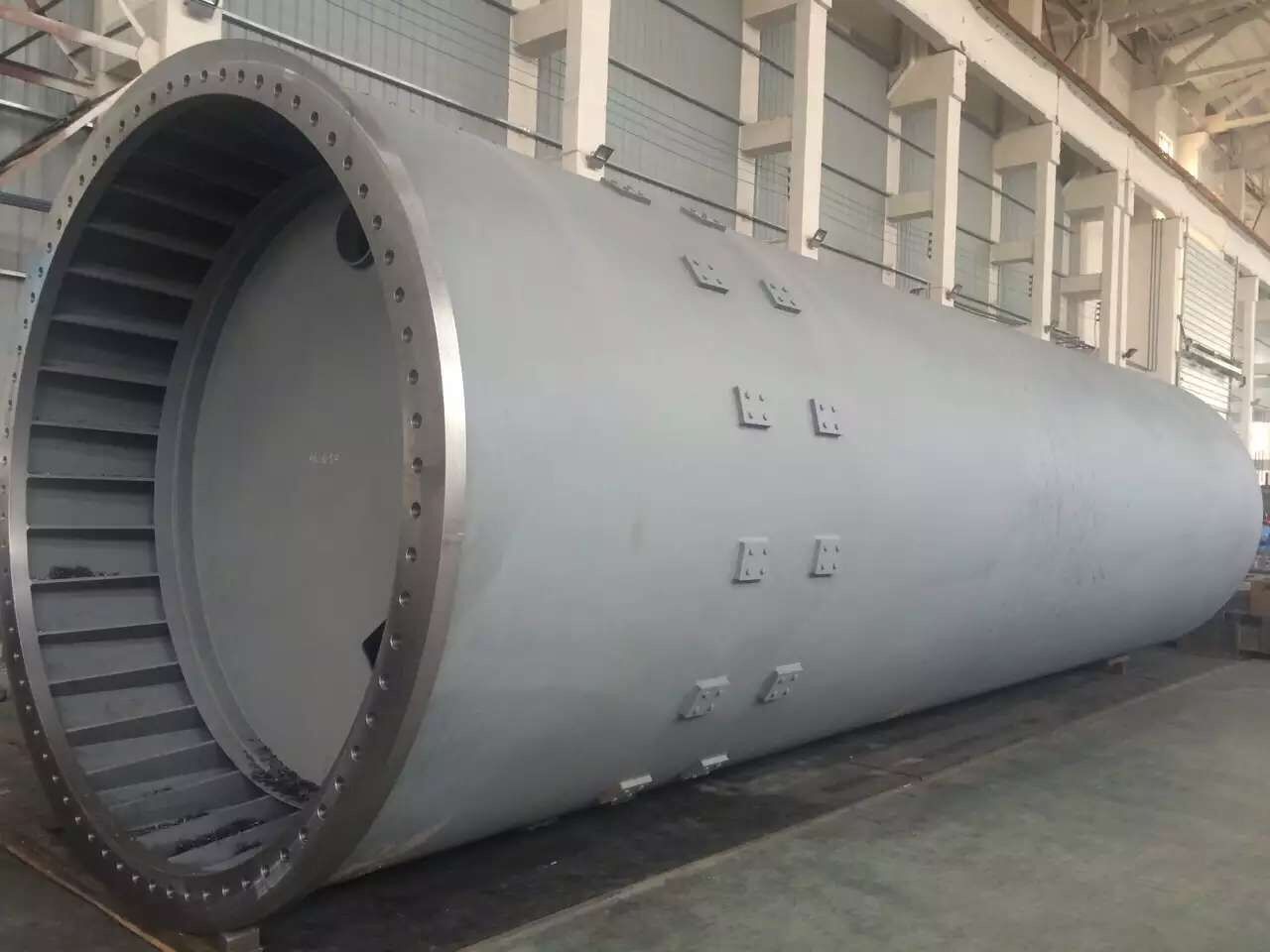
- Specialized Welding: Submerged arc welding is commonly used for circumferential welding of large flanges (such as wind power flanges), which is efficient and has stable weld seams; TIG welding is used for precision welding of stainless steel flanges, which can avoid weld oxidation and ensure corrosion resistance.
- Heat Treatment: Adjusting the internal structure of the metal through heating and cooling—normalizing can eliminate stress after forging or welding to prevent flange deformation; quenching + tempering can improve the strength of alloy steel flanges, allowing them to adapt to more severe working conditions (such as high-temperature and high-pressure environments).
III. Special Processes and Emerging Technologies: Niche Scenarios and Future Directions
1. 3D Printing: A Special-Shaped Solution for High-End Fields
3D printing can manufacture special-shaped flanges that cannot be achieved by traditional processes (such as complex curved surfaces or internal hollow structures), but currently, the cost is several times that of traditional processes, and it is only used in fields with extremely high performance requirements such as aerospace.
2. Surface Treatment: A Key Step to Improve Durability
Although surface treatment is not a forming process, it is an important link to extend the service life of flanges: galvanizing can enhance corrosion resistance (suitable for outdoor or humid environments); spraying special materials (such as PTFE) can improve high-temperature resistance or anti-adhesion performance (suitable for chemical and food processing equipment).
IV. How to Choose Flange Processing Technology? 3 Core Principles
Faced with multiple processes, how to choose the most suitable one? The key lies in these three points:
1. Cost Budget: Choose casting for batch complex shapes and laser cutting for small-batch high precision;
2. Production Cycle: Choose cutting processes for urgent orders (fast speed) and 3D printing for customized special-shaped products (long cycle);
3. Working Condition Requirements: Choose forging for high pressure, CNC turning for precision sealing, and surface-treated flanges for corrosive environments.
V. The Future of Flange Processing: Intelligence and Consistency
In the future, flange processing will develop towards intelligence—automatic machine tools can adjust processing parameters in real time to reduce human errors; digital twin technology can simulate the processing process to solve defect problems in advance. This can not only improve production efficiency but also ensure the consistent quality of each flange, meeting increasingly strict industrial standards.
Flange processing is not about choosing the most expensive process but choosing the most suitable process. Whether it is traditional casting and forging or modern CNC machining, the ultimate goal is to make the flange perform optimally in the system. Understanding the characteristics of different processes allows for more informed choices, making your flange connections safer and more reliable.