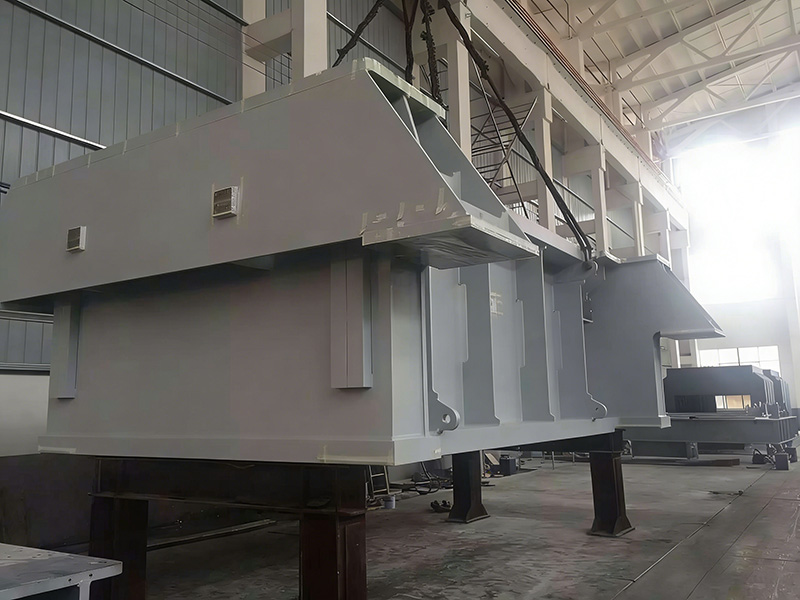
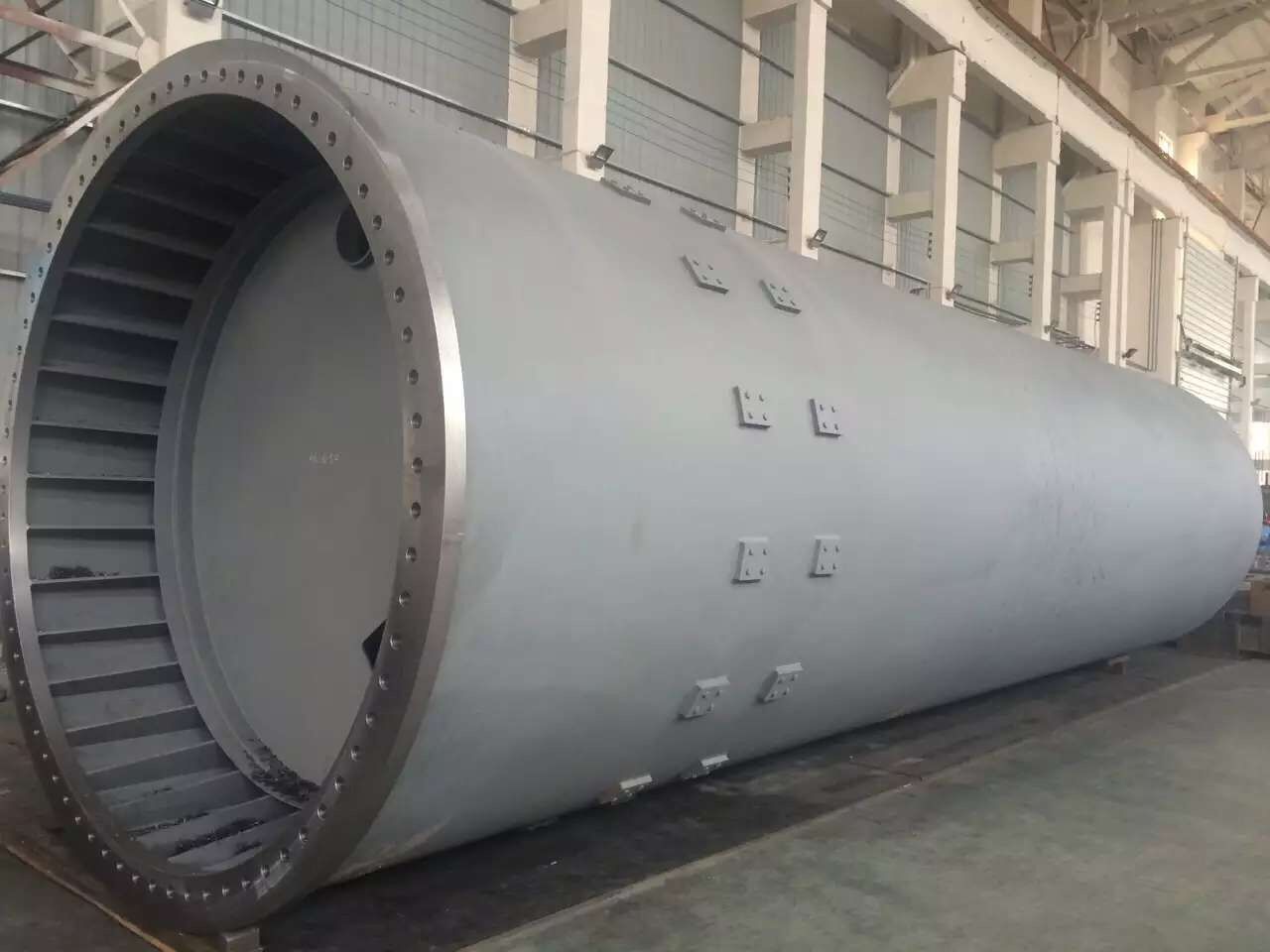
In numerous industries such as electronic equipment, mechanical devices, and automotive parts, aluminum part machining has become a core supporting link in manufacturing due to its characteristics of lightweight, corrosion resistance, and ease of processing. Whether complex-structured precision parts or customized aluminum enclosures are needed, enterprises are seeking practical problem-solving machining solutions—meeting precision requirements, balancing cost and efficiency, and addressing full-process needs from design to mass production.
I. Core Pain Points in Aluminum Part Machining: The Dual Challenges of Complexity and Precision
With the iterative upgrading of product design, enterprises have increasingly stringent requirements for aluminum parts:
- Complex structure requirements: For example, integrated aluminum enclosures of electronic devices need to achieve complex forms such as curved surfaces, hollowing, and thin walls, where ordinary machining methods are prone to deformation or burrs;
- Non-standard precision requirements: Aluminum parts for medical equipment and aerospace components often have tolerance requirements within ±0.01mm, placing high demands on the stability of machining equipment and process control capabilities;
- Connection between small-batch and mass production: Many enterprises need to first make prototypes to verify designs and then quickly transition to mass production. If the service provider can only undertake a single link, it may lead to the awkward situation where the prototype is fine, but problems arise in mass production.
To address these pain points, professional
aluminum part machining service providers can offer full-process solutions from prototype verification to mass production—first quickly verifying design feasibility through prototypes (such as adjusting the structure to reduce machining deformation), then ensuring the consistency of mass-produced products through standardized processes, helping enterprises avoid the problem of high trial-and-error costs.
II. Key Process Elements in Aluminum Part Machining: Details Determine the Final Quality
The precision and stability of aluminum part machining lie in process details:
- Aluminum profile temperature control: Aluminum has a high thermal expansion coefficient. Excessive temperature fluctuations during machining can cause dimensional deviations of parts. Professional service providers can effectively avoid deformation and ensure the precision of complex structures by precisely controlling cutting temperatures (such as using cooling oil or a constant temperature machining environment);
- Aluminum profile aging and heat preservation: Machined aluminum parts need to undergo aging treatment (heating to a specific temperature and maintaining it) to improve hardness and strength. For example, aluminum parts of mobile phone middle frames can withstand daily collisions and maintain a lightweight form after aging treatment.
These processes may seem basic, but they are the core that distinguishes ordinary machining from precision machining—only by mastering these details can high-quality aluminum parts that meet high requirements be produced.
III. Three Dimensions for Choosing the Right Aluminum Part Machining Partner
When selecting a service provider, enterprises should not only look at whether there are CNC equipment but also focus on problem-solving capabilities:
1. Full-process service capability: Can they participate from the design stage (such as suggesting more machinable structures to reduce costs)? Can they undertake orders from 1 prototype to 1000 pieces in mass production? Can they provide additional services such as material testing and precision reports?
2. Experience in complex and non-standard machining: Have they produced parts similar to your needs (such as complex curved aluminum parts, non-standard parts with micron-level tolerances)? Do they have solutions for difficult-to-machine structures (such as optimizing tool paths, adjusting clamping methods)?
3. Process transparency: Are they willing to show the real machining process (such as CNC operation, part inspection links)? Professionalism can be intuitively judged through cases—for example, machining cases of complex aluminum parts can reflect their ability in deformation control; cases of non-standard parts can show their flexibility in responding to customized needs.
Conclusion
Aluminum part machining is a systematic project of design + process + management, not as simple as finding a machine tool to cut. For enterprises needing complex-structured and non-standard precision aluminum parts, choosing a service provider that can offer full-process solutions and master core process details is the key to truly solving the problems of difficult machining and unstable quality.
If you are looking for an aluminum part machining partner, you may start from the dimensions of whether it covers the full process from prototype to mass production, whether it understands complex structures and non-standard precision machining, and whether there are real case supports to find the most suitable choice—after all, a good machining service provider can help you turn design drawings into qualified products.