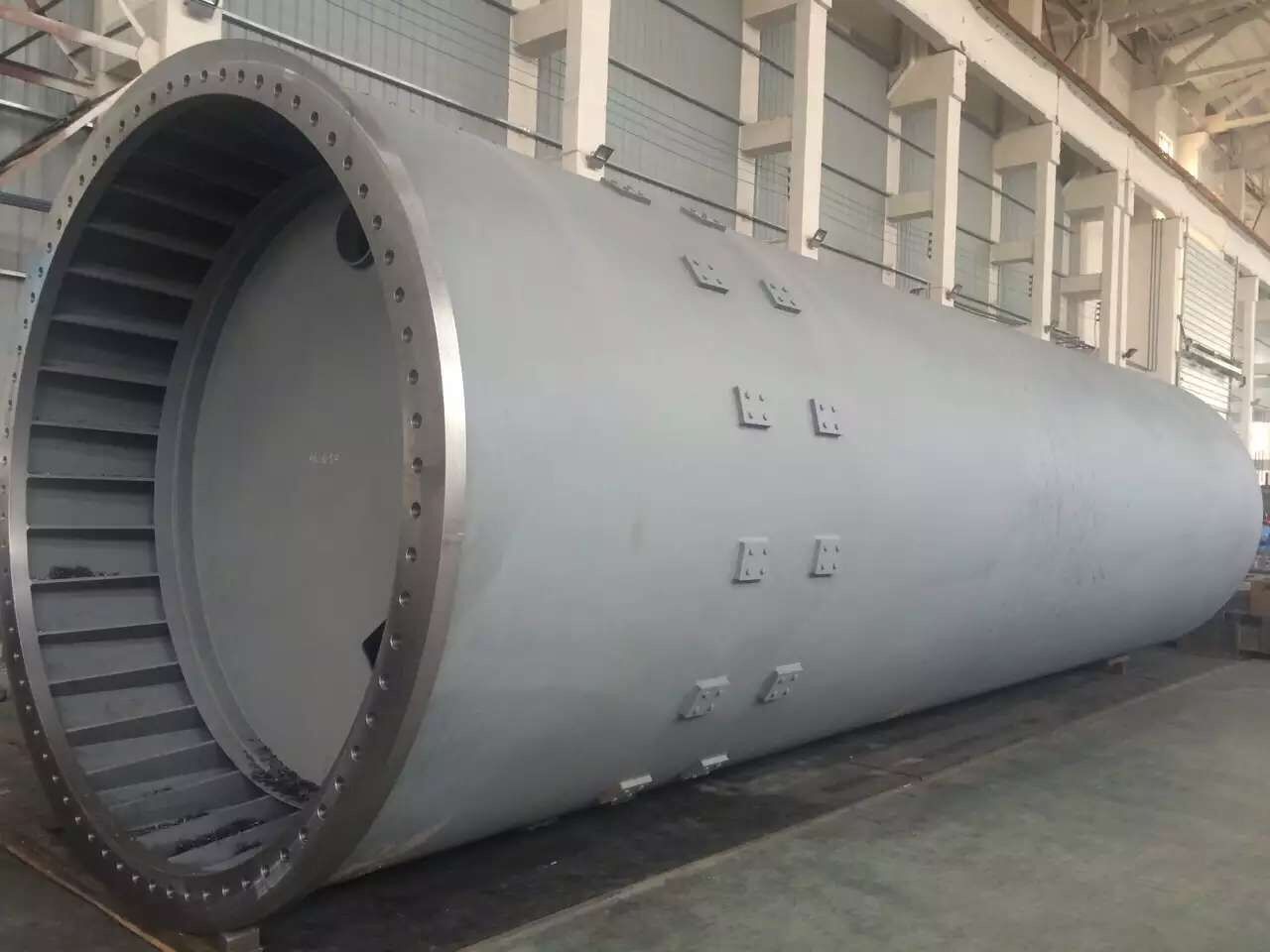
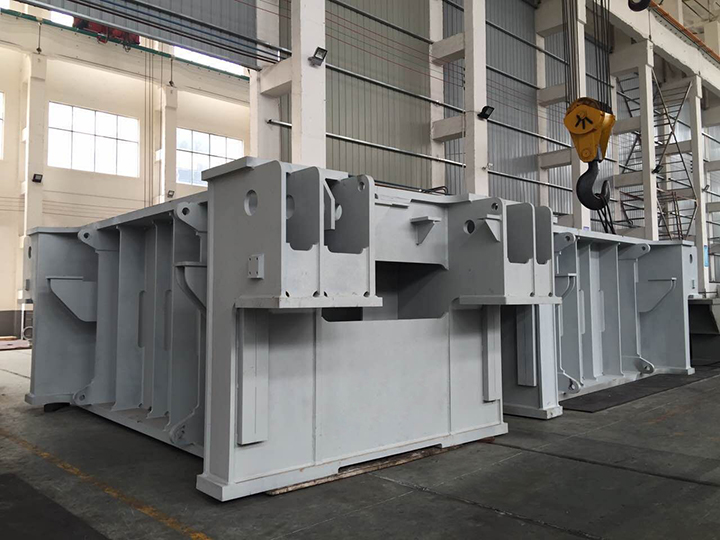
Hardware machining is the core link in modern manufacturing that transforms metal raw materials into practical parts — it uses metals such as stainless steel, copper, aluminum, and iron as raw materials, and through professional equipment such as milling machines, drilling machines, lathes, and polishing machines, precisely processes various metal parts that meet precision standards in strict accordance with customer drawings or samples. From small daily screws and motor shafts, to medium-sized model car parts and fishing tackle accessories, to large speaker enclosures and power bank casings, the results of hardware machining permeate every aspect of life and industrial production, serving as a key bridge connecting design ideas and physical products.
I. What is Hardware Machining? The Underlying Logic from Raw Materials to Finished Products
Simply put, the essence of
hardware machining is plastic and cutting deformation of metal materials: through mechanical equipment, metal raw materials undergo removal (such as lathe cutting), shaping (such as sheet metal bending), or modification (such as surface treatment) to ultimately obtain parts that meet the required dimensions, shape, and performance. In this process, precision and consistency are core — even an error of 0.01mm may affect the functionality of the part (such as the smooth rotation of a motor shaft).
II. Core Processes of Hardware Machining: Choosing the Right Method for Different Needs
To achieve precise part forming, the corresponding process must be selected based on batch size, precision, and shape. The following are the 5 most commonly used processes and their applicable scenarios:
1. Sheet Metal Processing: The First Choice for Small Batches and Rapid Iteration in Early Design
Sheet metal processing is a mold-free rapid prototyping process, with the advantages of low cost and fast delivery. It processes thin metal sheets through bending, shearing, stamping, etc., and is suitable for the early stages of product design (such as prototype verification) or small-batch production — when product requirements are still being adjusted, sheet metal processing can quickly modify the structure without investing in expensive mold costs, making it a money-saving tool for startup projects or new product research and development.
2. CNC Machining: The All-Rounder for Complex Shapes and High Precision
CNC (Computer Numerical Control) machining relies on digitally programmed equipment to process parts with arbitrarily complex shapes (such as curved surfaces, hollow structures, and polyhedrons). Whether it is the metal middle frame of a mobile phone or the precision gears of industrial equipment, as long as it can be drawn on a drawing, CNC machining can achieve it — especially suitable for high-precision parts requiring tolerance of ±0.01mm.
3. Turning Processing: The Surface Expert for Rotating Parts
Turning is mainly used for processing rotational parts (such as motor shafts and screw rods). Through the relative rotation of the tool and the workpiece, it realizes operations such as cutting, end face processing, and thread forming. Its core advantage is high surface precision — it can maintain extremely high smoothness and roundness of the rotating surface of the part (such as bearing positions), ensuring the smooth operation of machinery.
4. Electrical Discharge Machining (EDM): The Invisible Tool for Tiny, Complex Parts
Electrical Discharge Machining (EDM) is a non-contact processing technology that corrodes metal materials through electric spark discharge. Since there is no physical friction during processing, it can easily manufacture tiny parts (such as small holes and complex) that cannot be completed by traditional processes, such as micro-needles for medical equipment and precision electrodes for electronic components, especially suitable for scenarios with extremely high requirements for precision and complexity.
5. Surface Treatment: The Key Step to Make Parts Useful and Good-Looking
Surface treatment is not decoration but a core link to improve part performance. Common processes such as electroplating (enhancing corrosion resistance), painting (aesthetic and scratch-resistant), and anodizing (metallic texture) can solve the pain points of parts: for example, outdoor fishing tackle accessories need to be rust-proof, and consumer electronics casings need to be fingerprint-resistant, all of which are achieved through surface treatment.
III. The Industrial Significance of Hardware Machining: Without It, There Are No Finished Products
Hardware machining is the basic framework of modern manufacturing — almost all industrial products require it:
- Electronics industry: CNC machining of mobile phone metal middle frames, surface treatment of headphone metal shells;
- Automotive industry: Turning of motor shafts, sheet metal forming of body parts;
- Outdoor products: Corrosion-resistant treatment of fishing tackle accessories, precision forming of model car parts;
- Home appliance industry: Stamping of speaker enclosures, polishing of power bank casings.
Without hardware machining, even the most perfect design can only stay on the drawing; without high-precision processing technology, even the most high-end products cannot achieve the core value of being useful.
IV. Three Key Factors in Choosing a Hardware Processing Partner
For enterprises with needs, choosing the right partner can avoid many detours. The core standards are three points:
1. Comprehensive processes: Able to cover the entire process of sheet metal, CNC, turning, EDM, surface treatment, etc., without needing to find multiple suppliers;
2. Rich experience: Able to provide suggestions from the design stage (such as changing this shape can reduce CNC processing time), avoiding the problem of drawings can be drawn but cannot be made;
3. Reliable service: Able to deliver on time, ensure precision, and communicate and solve problems in a timely manner when issues arise (such as adjusting process parameters, optimizing surface treatment effects).
Whether it is small-batch prototype verification or large-batch mass production needs, hardware machining is a key step from 0 to 1. Choosing a partner with comprehensive processes and rich experience can make your needs land quickly, turning ideas into usable products.
If you have hardware processing needs, finding a service provider that understands the process and understands the needs can make the project go more smoothly — after all, the core of hardware machining is turning the customer's requirements into reality.