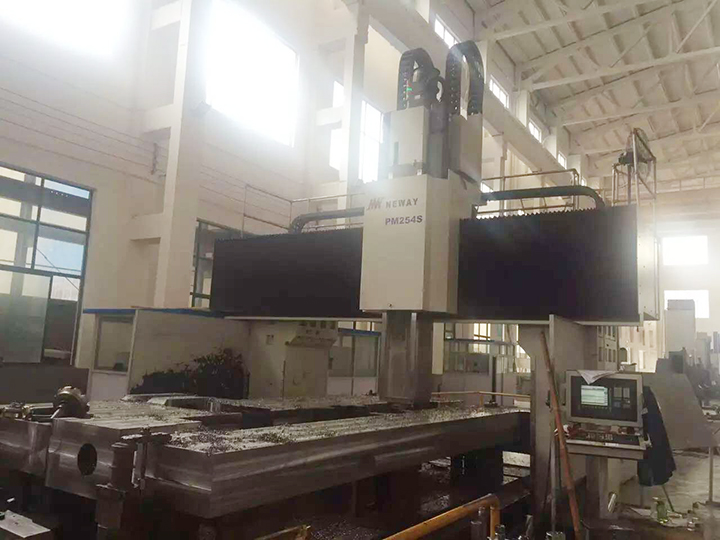
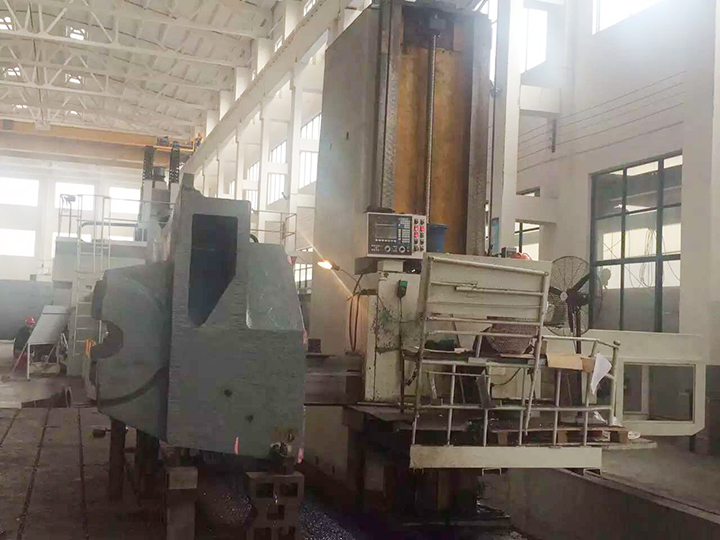
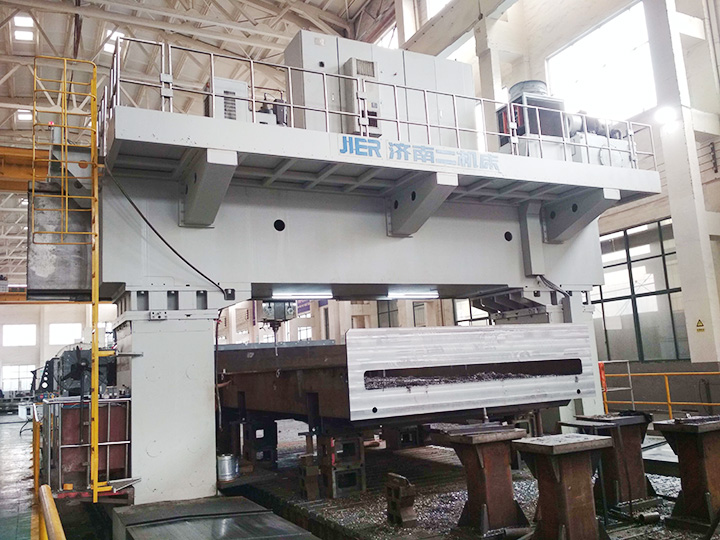
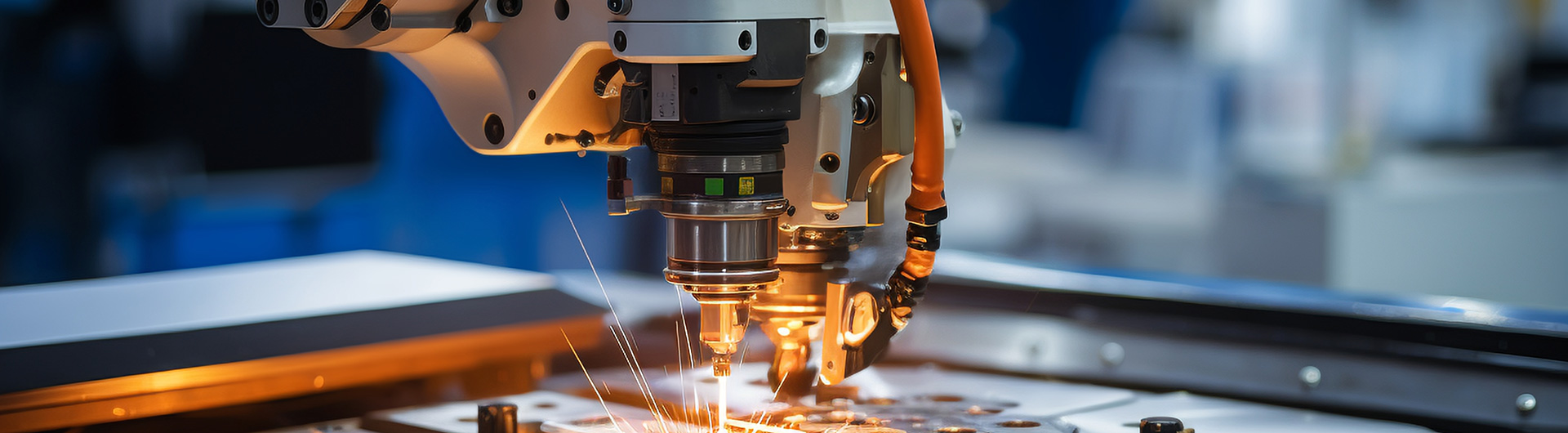
What is CNC Machining?
CNC machining stands for Computer Numerical Control machining. It is a subtractive manufacturing process where computer-controlled machines remove material from a raw workpiece to create a custom-designed part. Unlike traditional manual machining, CNC machining uses programmed instructions—commonly known as G-code—to control the precise movements of cutting tools.
This automation allows for:
High precision and accuracy: Tolerances as tight as ±0.001 inches (0.025 mm) or better.
Repeatability: Perfect for mass production of identical parts.
Complex geometries: Multi-axis CNC machines can create intricate shapes impossible with manual methods.
Material versatility: Works on metals, plastics, wood, and composites.
How Does CNC Machining Work?
CNC machining involves several key steps:
1. Design Creation
A 3D digital model of the part is created using CAD (Computer-Aided Design) software such as SolidWorks, AutoCAD, or CATIA. The design defines the shape, size, and features of the part.
2. Generating G-Code
The CAD model is imported into CAM (Computer-Aided Manufacturing) software, which converts the design into machine-readable G-code. This code contains instructions for tool paths, cutting speeds, and other machining parameters.
3. Machine Setup
The raw material (workpiece) is secured on the machine bed. The appropriate cutting tools are installed, and the machine’s axes are calibrated to align with the digital design.
4. Automated Machining
The CNC machine executes the G-code, moving the cutting tools precisely to remove material and shape the part. Sensors monitor the process to ensure accuracy and detect errors.
5. Inspection and Finishing
After machining, parts undergo quality checks using tools like Coordinate Measuring Machines (CMM). Additional finishing processes such as sanding, polishing, or coating may be applied.
Advantages of CNC Machining
CNC machining offers numerous benefits that have made it a staple in manufacturing:
Precision and Accuracy: Achieves micron-level tolerances critical for aerospace, medical, and electronics industries.
Efficiency and Speed: Automated operations reduce human error and accelerate production.
Complex Geometry Capability: Multi-axis machines can produce intricate designs with ease.
Repeatability: Ideal for both prototyping and mass production of identical parts.
Material Versatility: Can machine metals, plastics, composites, and more.
Flexibility: Quick changeover between different parts by updating programs.
Reduced Waste: Optimized tool paths minimize material scrap.