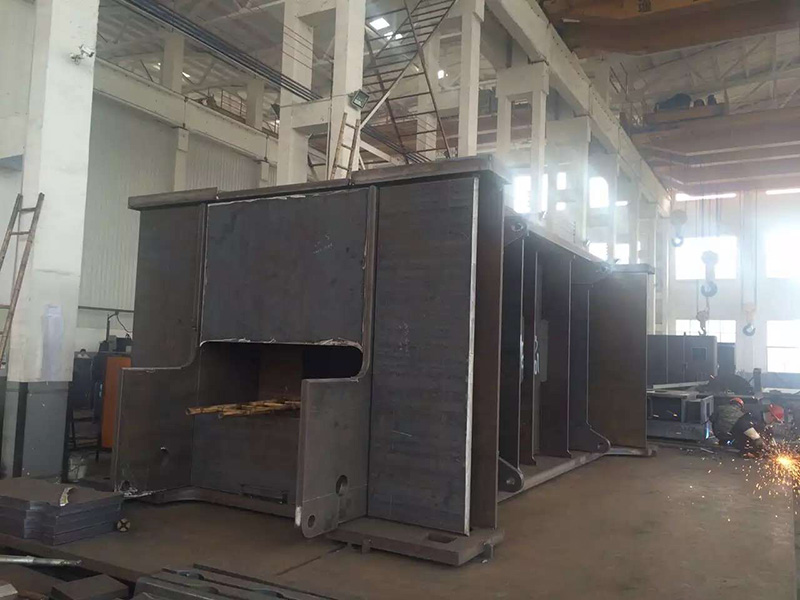
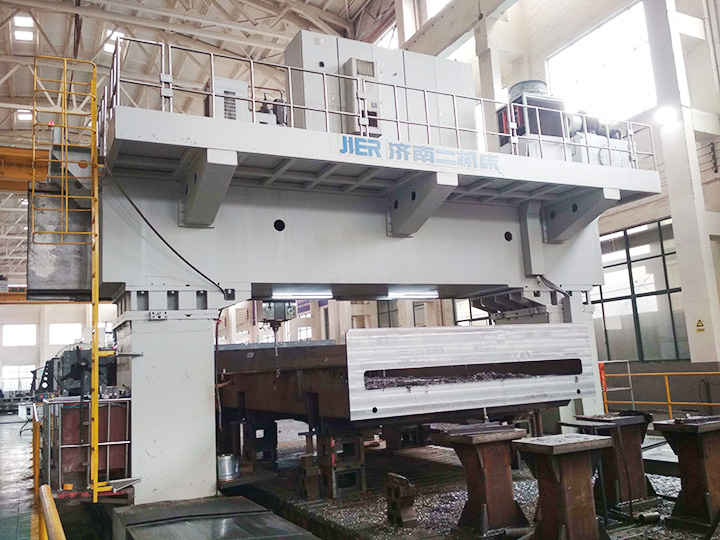
The machining center is a high-precision, high-efficiency core CNC machine tool in modern manufacturing. With integrated processing capabilities, it has become a key equipment for processing materials such as furniture, building components, plastics and solid wood. It can integrate multiple processes, covering the entire process requirements from simple cutting to complex curved surface processing, and serves as a bridge-type equipment connecting design and mass production.
I. What is a Machining Center? — Definition and Basic Attributes
A
machining center is essentially a CNC integrated processing equipment, with core characteristics of high precision and high efficiency:
- High precision: Relying on the CNC system and precision mechanical structure, it can achieve a machining error of ±0.01mm, meeting the dimensional requirements of complex components;
- High efficiency: Through functions such as automatic tool change and multi-axis linkage, it reduces waiting time between processes and improves the production capacity of a single equipment;
- Versatility: Adaptable to 3-axis, 4-axis or 5-axis configurations, which can be flexibly selected according to production needs — from basic plane processing to multi-dimensional special-shaped parts manufacturing, it can provide precise solutions.
II. Application Fields of Machining Centers: All-Round Processing Equipment Covering Multiple Industries
The application scenarios of machining centers almost run through the entire chain of customized and industrialized production, mainly including:
- Furniture manufacturing: Precision processing of sofa frames, wardrobe components, and stair handrails, especially good at links that are difficult to complete efficiently with traditional processes such as wooden tenon holes and curved surface milling;
- Building components: Processing of customized prefabricated wall panels, decorative lines, and door and window frames, meeting the demand for personalization + standardization in the construction field;
- Material processing: Forming and cutting of plastic shells, precise segmentation of solid wood boards, adapting to the physical properties of different materials;
- Interior decoration: Processing of customized decorative panels and background wall components, supporting direct conversion from design drawings to finished products.
III. Core Functions of Machining Centers: One-Stop Solution Integrating Multiple Processes
The value of a machining center lies in integrating multiple processing technologies into one equipment, enabling multiple processes to be completed without frequent machine tool replacement. The main functions include:
- Sawing: Precisely dividing various materials to ensure flat cutting surfaces;
- Milling: Processing complex contours (such as curved surfaces, patterns) and surface finishing;
- Drilling: Completing high-precision hole processing such as wooden tenon holes and connection holes;
- Separation/measurement: Ensuring the consistency of material splitting and real-time adjustment of processing parameters through online measurement;
- 3D processing: Supporting customized production of special-shaped components (such as curved furniture, art ornaments).
IV. Advantages of Machining Centers: Why Choose It?
Compared with traditional processing equipment, the core advantages of machining centers lie in long-term stability and production flexibility:
1. Technical reliability: Stable CNC system and mechanical structure can ensure machining accuracy during long-term operation and reduce the rejection rate;
2. Performance scalability: It can adapt to the production capacity requirements after business growth by adding modules such as automatic tool change and online measurement;
3. Easy to operate and program: The intuitive human-machine interface reduces learning costs, and the simplified program editing function allows complex processing programs to be called with one click; some equipment supports barcode scanning for quick program selection, or has functions such as automatic cleaning and program-controlled glue application, further reducing manual intervention.
V. Specific Application Scenarios of Machining Centers: Seeing Value from Details
In actual production, the precision of the machining center directly determines the product quality:
- Supplementary plane Nesting function: Improve material utilization and reduce waste through drilling processing;
- Hinge/accessory integration: Provide precise connecting surface milling for hinge installation of wardrobes and cabinets, ensuring the stability of accessory installation;
- Continuous backboard groove cutting: Realize rapid grooving of furniture backboards and improve assembly efficiency;
- Wooden tenon hole processing: Ensure the tightness of mortise and tenon connections, making furniture more durable.
Conclusion: Machining Center — A Key Choice to Improve Production Efficiency
Whether it is small-batch custom production or large-scale industrial manufacturing, machining centers can rely on the characteristics of high precision + high efficiency to become the core support in the production process. It can not only reduce labor costs, but also help enterprises gain an advantage in competition through stable quality output.
If you are looking for a CNC processing solution suitable for multiple materials and processes, the machining center is undoubtedly a priority equipment to consider — choosing the right machining center means choosing a more efficient and more stable production method.