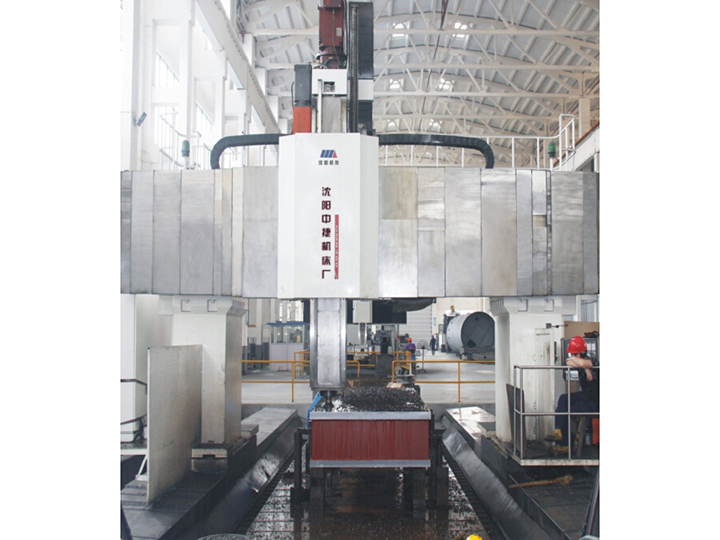
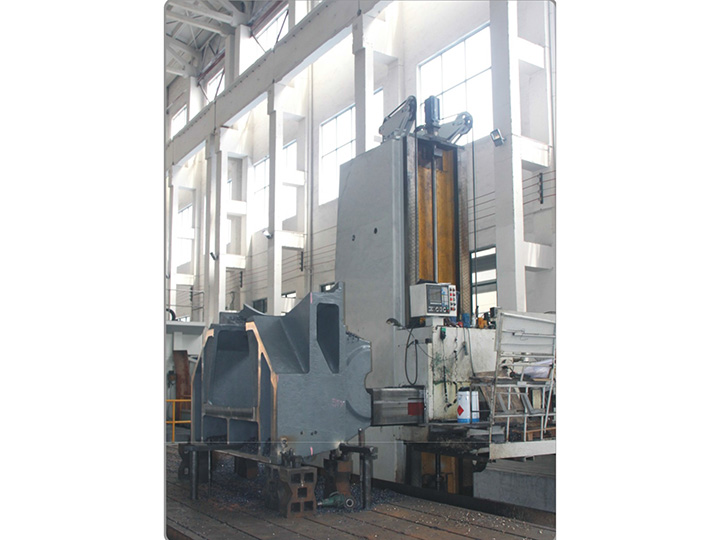
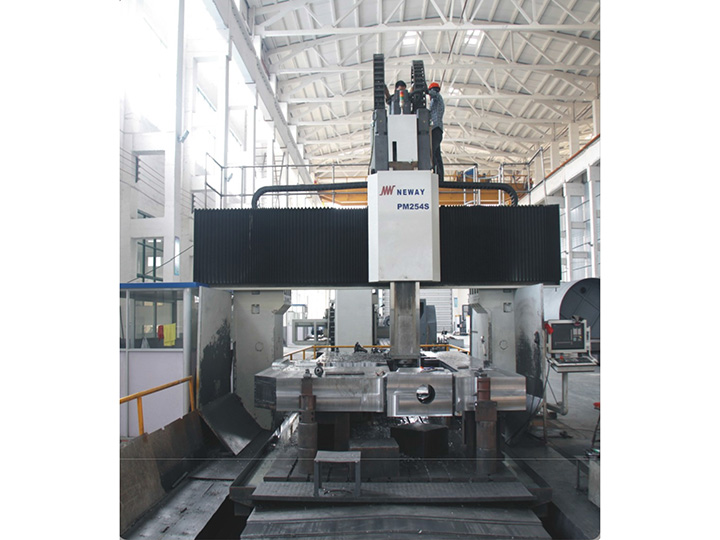
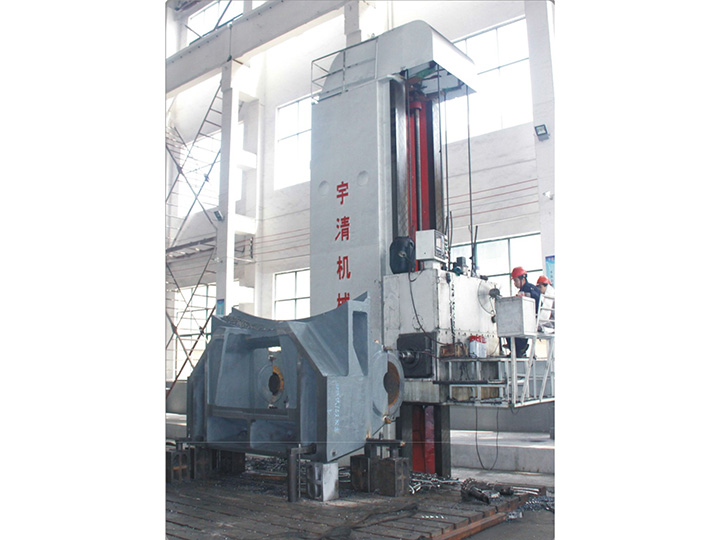
Gears are the heart components of mechanical power transmission—from watch movements to aircraft engines, nearly all equipment requiring precise power transfer relies on them. Gear machining, essentially the technology of cutting and forming metal materials into specific tooth profiles, directly determines the efficiency, noise, and service life of mechanical systems. As industries like automotive, aerospace, and industrial machinery demand higher gear performance, understanding the core logic of gear machining has become essential knowledge for manufacturing professionals.
I. Common Gear Machining Processes: Core Path from Blank to Finished Product
The first step in gear machining is blank preparation, followed by machining to form precise tooth profiles. Different processes correspond to different application scenarios, and selection depends on gear size, performance, and production volume requirements:
1. Casting: Cost-Effective Choice for Large Gears
Casting involves pouring molten metal into a mold to cool and form, primarily used for preparing blanks of large gears (such as ring gears for mining machinery). Its advantages include a blank shape close to the finished product, reducing subsequent processing, and low cost; however, it has limitations such as potential internal pores in the material and limited precision, requiring subsequent machining to correct the gear teeth.
2. Forging: Strength Leader for Heavy-Duty Gears
Forging uses a press to extrude metal blanks into shape, significantly improving material grain density and mechanical properties (e.g., tensile strength, wear resistance). This process is suitable for heavy-load scenarios (such as drive gears for construction machinery) but costs more than casting and is better suited for small to medium-sized gears.
3. Extrusion and Cold Drawing: Preferred for Lightweight and Mass Production
Extrusion involves pushing heated metal profiles through a die to form a predetermined shape; cold drawing pulls metal through a die at room temperature. Both methods produce high-precision profiles with continuous material fibers and superior mechanical properties. They are especially suitable for lightweight gears (such as small-module gears in automotive transmissions) or standardized parts requiring mass production.
4. Powder Metallurgy: Efficient Solution for Mass Production
Metal powders are mixed, pressed into shape, and sintered to solidify. This process requires little or no cutting, producing high-precision gears. Its advantages include high material utilization and low cost, making it suitable for mass production (such as gears in home appliances or small motors), but it is not suitable for gears under heavy loads.
5. Blanking: Rapid Forming Method for Sheet Gears
Blanking uses a die to directly stamp gear shapes from metal sheets, suitable for thin-sheet gears (such as drive gears in fans or toys). It features fast production speed and extremely low cost but has limited precision and cannot be used in high-load scenarios.
6. Precision Tooth Profile Machining: Final Forming Step for Gears
After blank preparation, precise tooth profiles are machined using processes like hobbing, shaping, and form grinding. Hobbing is the most common method—through the generating motion of the hob and gear blank, it cuts the full tooth width in one operation, offering high efficiency and precision, suitable for mass production of cylindrical gears. Form grinding, on the other hand, is used for finishing high-precision gears (such as aircraft engine gears), achieving micron-level tooth surface accuracy.
II. Gear Machining Equipment: Toolchain from Roughing to Finishing
Gear machining precision depends on equipment performance, with different processes requiring specialized equipment:
1. Lathe: Benchmark Guarantee for Gear Machining
Lathes are preprocessing equipment for gears, mainly used for turning the outer circle, inner hole, and end face to ensure the roundness and perpendicularity of these datum surfaces—only with sufficient datum surface accuracy can subsequent gear cutting guarantee tooth profile accuracy.
2. Gear Cutting Machine: Main Force for Tooth Profile Formation
Gear cutting machines are core gear machining equipment, including hobbing machines, gear shapers, and gear planers. Hobbing machines cut involute tooth profiles through the rotation of the hob and indexing motion of the gear blank; gear shapers process internal gears or multi-gear sets via reciprocating motion of the shaper cutter. Both meet mass production needs.
3. Grinding Machine: Final Step for High-Precision Gears
For gears requiring higher precision (such as machine tool spindle gears or aerospace gears), tooth surface grinders and honing machines are used for finishing. Grinding machines remove minute tooth surface errors through high-speed砂轮 rotation, improving surface finish and contact accuracy, thereby reducing transmission noise and extending service life.
4. Machining Center: All-Rounder for Small-Batch, High-Precision Production
CNC machining centers integrate turning, milling, drilling, and other functions, completing the entire gear machining process from roughing to finishing. Their advantage is high flexibility, suitable for small-batch, multi-variety gear production (such as customized industrial machinery gears), but they cost more than specialized equipment.
III. Core Technical Requirements for Gear Machining: Why Precision Matters
Gear performance directly depends on two key indicators:
1. Transmission Motion Accuracy
The core function of gears is to maintain a constant transmission ratio—for example, gears in automotive transmissions with transmission ratio errors exceeding allowable limits can cause shifting jolts, power loss, or even mechanical failure. Therefore, gear angle errors (such as cumulative pitch error) must be strictly controlled at the micron level to ensure precision in power transmission.
2. Transmission Motion Stability
During gear transmission, tooth surface contact should be continuous and uniform to avoid impact and noise. Insufficient stability leads to accelerated tooth wear, increased bearing loads, and shortened mechanical system life (e.g., excessive noise in wind turbine gearboxes often results from poor stability).
IV. Latest Developments in Gear Machining Technology: Dual Improvement in Efficiency and Precision
With manufacturing upgrades, gear machining technology is evolving toward high efficiency, compounding, and high precision:
1. Gear Skiving: Efficient Solution for Internal and Small-Module Gears
As a new branch of generating methods, gear skiving uses specialized cutters with rotation and feed to complete tooth profile machining of internal gears and small-module gears in one operation. Its advantages include fewer processes and high efficiency, especially for special-shaped gears difficult to machine with traditional hobbing machines.
2. Multi-Tasking Machine: Cost Killer for Multi-Process Integration
Multi-tasking machines integrate turning, milling, gear cutting, and other processes into one device, reducing gear clamping times (traditional processes require multiple clamps). This not only improves production efficiency but also avoids precision loss from clamping errors. For mass-produced gears, multi-tasking machines can reduce costs by 20%-30%.
V. How to Select Gear Machining Processes and Equipment? 5 Key Factors
Choosing the right process and equipment requires comprehensive judgment based on specific needs:
1. Gear Type and Size: Use hobbing machines for cylindrical gears, gear planers for bevel gears; choose casting for large gears, powder metallurgy for small gears.
2. Material Properties: Steel gears suit forging (to enhance strength), aluminum alloy gears suit extrusion (for lightweighting), non-ferrous metals suit die casting.
3. Precision Requirements: High precision grades (e.g., GB6 and above) require grinding machines for finishing; ordinary precision (GB8 and below) suffices with hobbing machines.
4. Production Volume: Mass production suits powder metallurgy or extrusion; small-batch production suits machining centers; single-piece customization suits CNC milling machines.
5. Cost Budget: Low-cost needs suit casting or blanking; high-cost investments suit forging or multi-tasking machines.
Gear machining is an art of balancing precision and efficiency—every step from blank to finished product must match the gear's application scenario. Whether automotive manufacturers pursuing smooth shifting or aerospace demanding zero-error transmission, understanding the core logic of gear machining is essential to producing high-quality, demand-meeting gears.
In the future, with the integration of artificial intelligence and CNC technology, gear machining will become smarter and more efficient, but the demand-centric selection logic will remain key to ensuring gear quality.