In modern manufacturing, enterprises often encounter a problem: standardized parts cannot meet the special design requirements of products—such as a custom medical device needing a special-shaped metal fitting, or an industrial robot requiring a non-standard size plastic component. At this time, non-standard parts machining becomes the core solution to solve such personalized problems.
I. Core Definition of Non-Standard Parts Machining: Tailor-Made Customized Production
Non-standard parts machining is essentially a customized machining service tailored to the unique needs of customers. Unlike standardized production (mass manufacturing according to fixed specifications), it focuses on non-universal scenarios: when parts require special shapes, sizes, performance (such as high temperature resistance, corrosion resistance, high strength), or need to match the unique structure of specific equipment, one-to-one production is achieved through specialized equipment and technology.
This processing method is widely used in automobile modification, medical equipment, industrial automation, aerospace and other fields—any special needs that cannot be covered by standardized parts are its sphere of application.
II. Complete Process of Non-Standard Parts Machining: 6 Key Stages from Requirement to Delivery
The core of non-standard machining is precise matching of needs, so every step of the process revolves around customer requirements:
1. Requirement Analysis: In-depth communication with customers to clarify the usage scenario, performance indicators, and service life of the part (such as whether it will deform in a high-temperature environment? Whether it needs to withstand impact?), even including details such as appearance and weight—this is the basis for all subsequent steps.
2. Process Design: Select processing methods (such as CNC lathes, milling machines, machining centers or traditional filing equipment) according to requirements, and formulate detailed processing plans (such as cutting first then heat treatment, or forming first then finishing?) to ensure the process can achieve the design goals.
3. Material Preparation: Select appropriate materials according to the function of the part (detailed later), and complete material cutting and preprocessing (such as deburring, rust prevention).
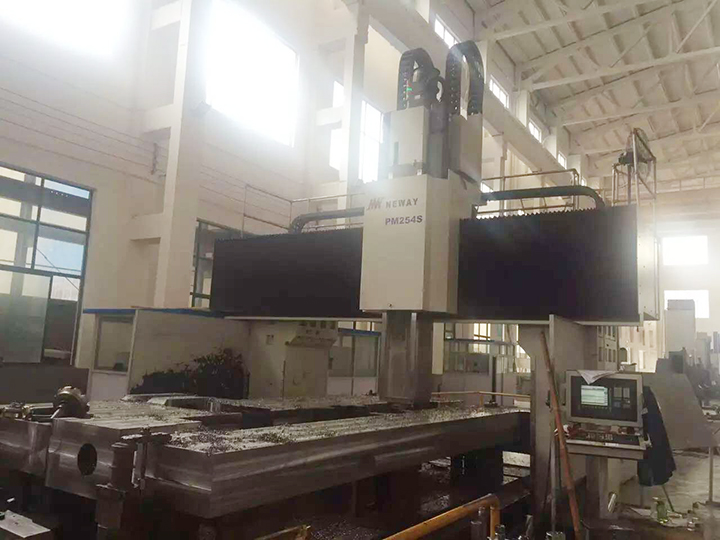
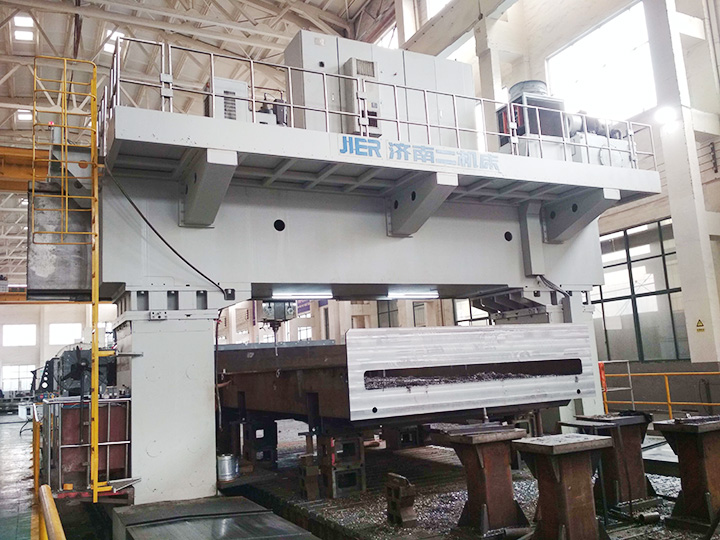
4. Mechanical Machining: Use CNC equipment or manual operation to process raw materials into the designed shape—CNC equipment (such as machining centers) can achieve high precision (error can be controlled within 0.01mm), suitable for complex parts; traditional equipment is suitable for simple special-shaped parts.
5. Heat Treatment (Optional): If the part needs to enhance hardness, toughness or corrosion resistance, heat treatment (such as quenching, annealing, electroplating) will be performed—for example, stainless steel parts can improve rust resistance after heat treatment.
6. Inspection and Acceptance: Use tools such as calipers and projectors to detect dimensional accuracy, or verify performance through tests (such as pressure testing, temperature resistance testing), and deliver the part only after ensuring it fully meets customer requirements.
III. Material Selection for Non-Standard Parts Machining: Matching on Demand is the Key
Materials are the core factor determining part performance, and material selection for non-standard machining follows the principle of scenario adaptation. Common materials are divided into two categories:
- Metal Materials: Carbon steel (low cost, high strength, suitable for general structural parts), stainless steel (corrosion-resistant, suitable for medical and food equipment), aluminum alloy (lightweight, good thermal conductivity, suitable for aerospace or lightweight equipment);
- Non-Metal Materials: Plastic (insulating, lightweight, suitable for electronic accessories), wood (environmentally friendly, easy to process, suitable for decorative parts), stone (wear-resistant, high-temperature resistant, suitable for special industrial scenarios).
For example: If a customer needs a part used in a humid environment, stainless steel would be the first choice; if a lightweight drone accessory is needed, aluminum alloy is more appropriate.
IV. Advantages of Non-Standard Parts Machining: Why It Becomes a Necessity in Manufacturing?
1. Flexibility: Can meet design requirements of any shape and size—even oddly shaped parts can be machined as long as they can be drawn;
2. Precision: High precision achieved through CNC equipment, meeting scenarios with extremely high precision requirements such as medical and aerospace;
3. Efficiency: Although it is customized production, the application of CNC technology has significantly shortened the processing cycle (complex parts can also be completed within a few days);
4. Solution-Oriented: It is not just processing parts, but solving customers' pain points—such as helping enterprises realize unique product designs and enhance competitiveness.
V. Summary: Non-Standard Parts Machining is the Customization Engine of Manufacturing
In modern manufacturing pursuing differentiation, non-standard parts machining is like a tailor of manufacturing—it does not produce ready-made clothes, but customizes unique clothing according to the customer's figure (needs). From special-shaped accessories of medical equipment to exclusive components of industrial robots, it supports the implementation of countless innovative products with its characteristics of flexibility, precision, and efficiency.
For enterprises with special part needs, choosing a reliable non-standard machining service provider is essentially choosing the ability to transform needs into reality—and this is the core competitiveness of product differentiation.