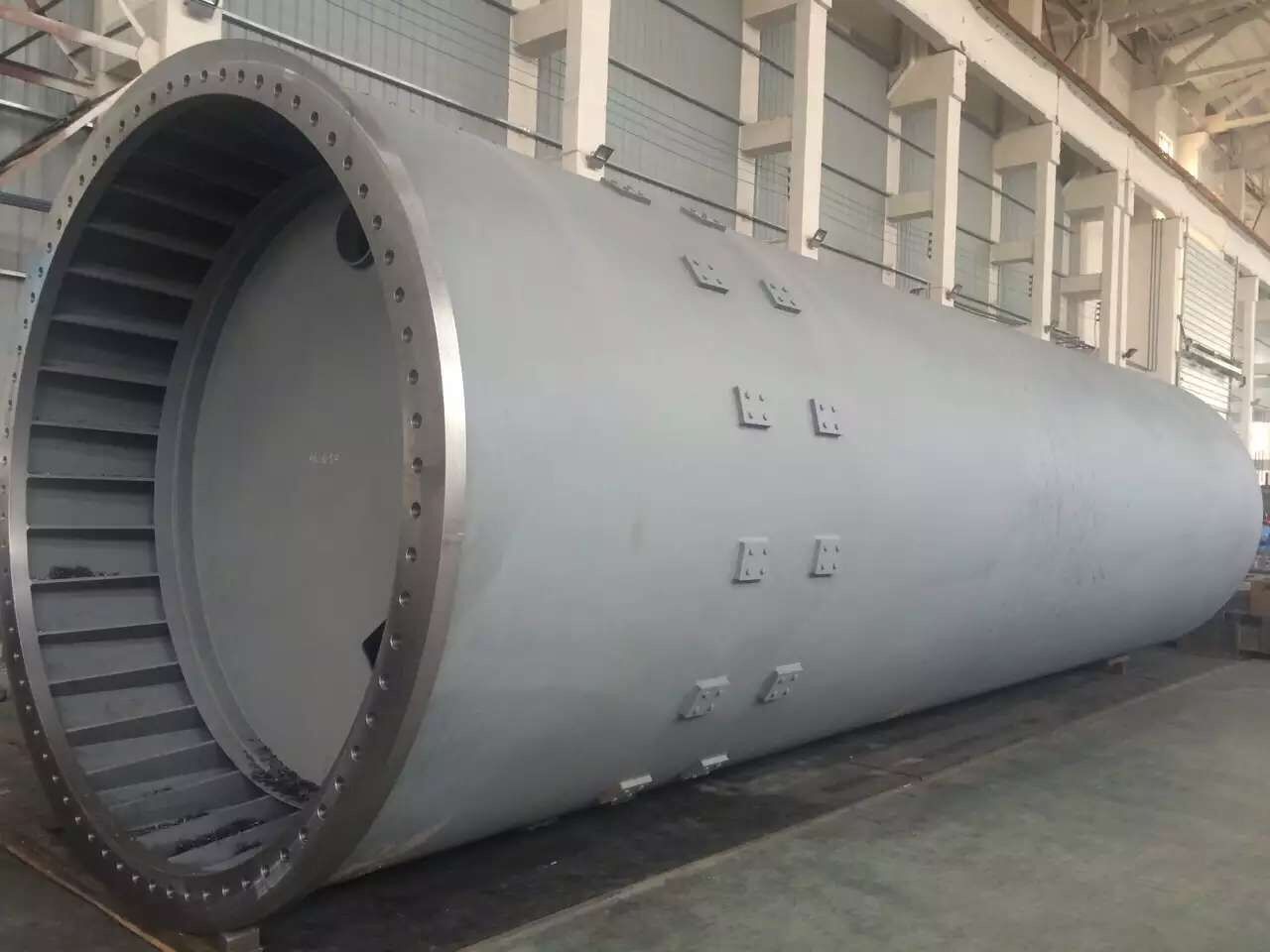
Flange machining refers to the mechanical processing of metal flanges to obtain qualified size, flatness and sealing surface accuracy. A flange is a disc-shaped connecting component widely used for pipeline connection, equipment assembly and pressure vessel docking. Common flange types include welded flanges, threaded flanges and blind flanges. With strict requirements on hole position precision and surface roughness, flange machining has become an essential processing technology in mechanical manufacturing, petrochemical and hydraulic pipeline industries.
1. Common Materials and Structural Features
Industrial flanges are mostly made of carbon steel, stainless steel and alloy steel according to working pressure and corrosive environment. Carbon steel such as Q235 and Q345 is widely used for low and medium-pressure pipelines, while 304 and 316L stainless steel are applied in chemical corrosive environments. Each standard flange consists of a disc body, bolt holes, sealing surface and welding neck. The sealing surface requires extremely low roughness to prevent medium leakage, and the bolt holes must maintain high positional accuracy to ensure smooth assembly and connection.
2. Main Machining Process
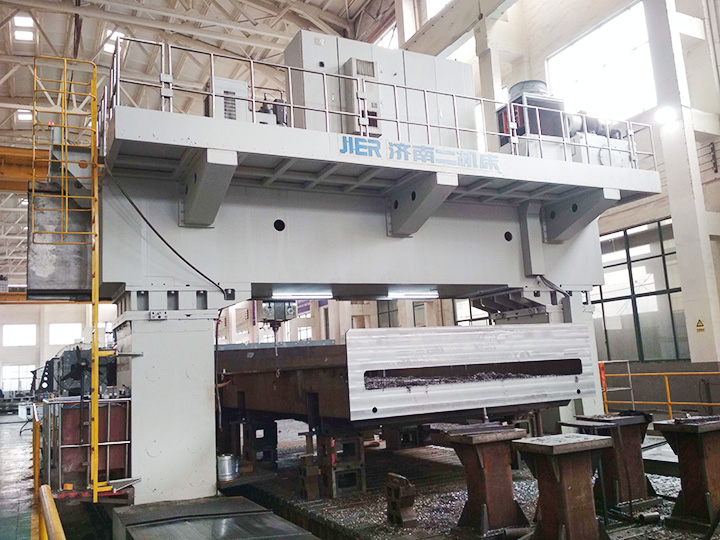
Flange manufacturing adopts mature standardized machining procedures. Firstly, raw steel materials are cut into circular blanks and forged to enhance internal metal density. Secondly, rough turning is carried out on CNC lathes to remove redundant margins and shape the basic outline. After rough processing, stress relief heat treatment is performed to reduce deformation. Then, precision finishing is conducted for end face flatness, inner hole diameter and groove machining. Finally, drilling and tapping processes are completed on CNC drilling machines or gantry milling machines, followed by surface anti-rust treatment and flaw detection.
3. Technical Difficulties and Processing Standards
Different from ordinary mechanical parts, flange machining has strict industrial standards. The end face flatness directly affects sealing performance, and tiny deformation may cause liquid or gas leakage. Bolt holes must maintain consistent pitch circle diameter to avoid assembly deviation. In addition, the sealing groove needs precise circular arc processing to match gaskets. During production, manufacturers strictly control cutting speed, tool feed rate and clamping pressure to prevent thermal deformation. All finished flanges need to pass hardness testing, dimensional inspection and airtightness detection before delivery.
4. Industrial Application Range
Processed flanges are widely used in pressure-bearing and connecting equipment. In hydraulic and pneumatic industries, they connect cylinder barrels and pipeline accessories to ensure stable oil circuit transmission. In chemical and petroleum fields, high-pressure flanges are adopted for chemical pipelines and storage tank connections. In power engineering, flanges are used for steam pipelines and boiler equipment. Moreover, they are indispensable connecting parts for ship machinery, urban water supply systems and industrial reaction vessels.
5. Conclusion and Manufacturing Trend
With the upgrading of high-pressure and high-sealing industrial equipment, flange machining is developing toward high precision, corrosion resistance and intelligent batch production. Modern manufacturers widely use CNC lathes and gantry milling equipment to improve processing consistency. Optimized forging technology and surface passivation treatment further extend service life. In summary, flange machining is a fundamental and critical manufacturing process. Its strict dimensional tolerance and sealing performance guarantee the safety and stability of various pressure pipeline systems.