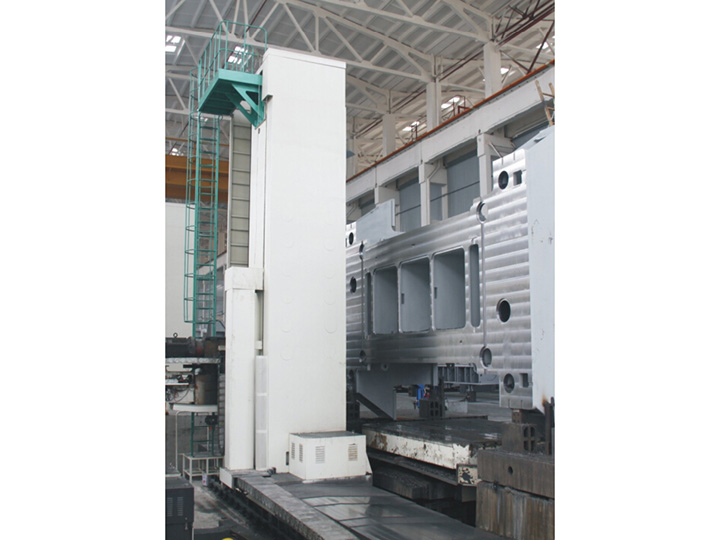
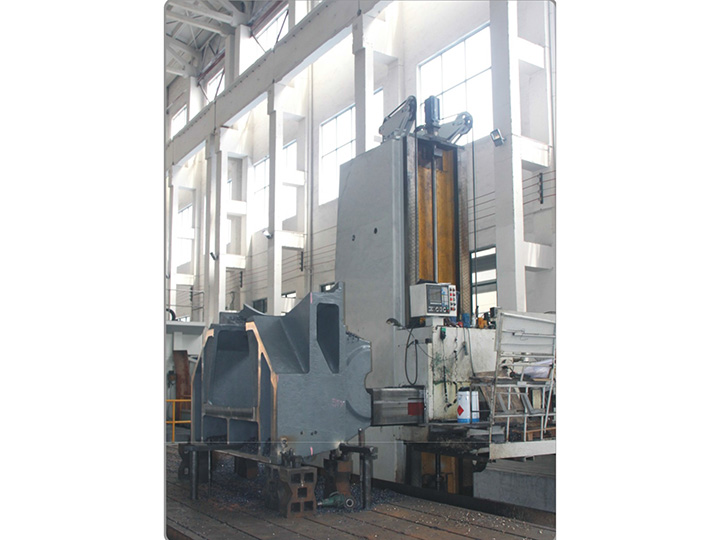
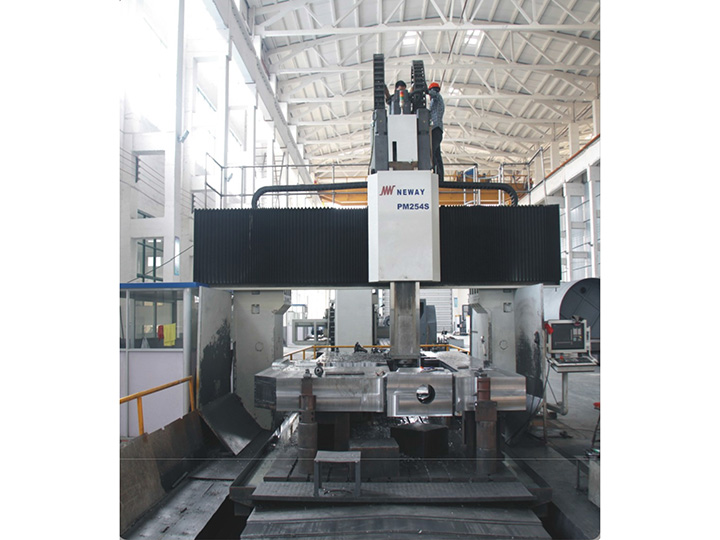
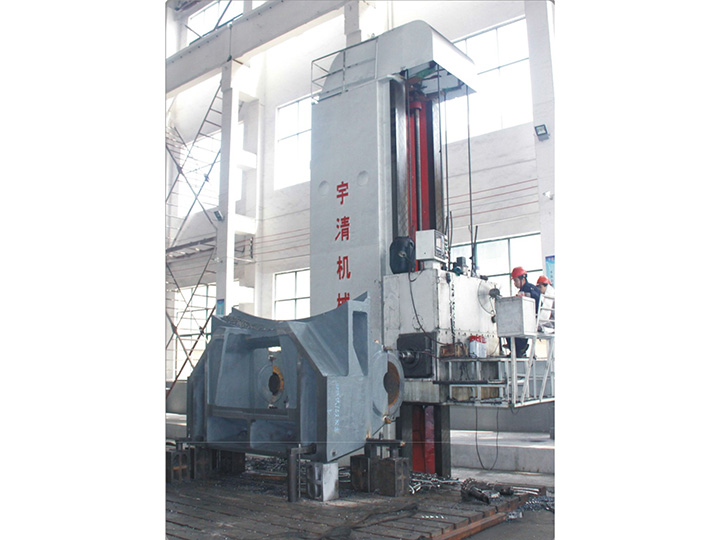
CNC precision machining is an advanced subtractive manufacturing technology that utilizes digital control systems to produce high-tolerance mechanical components. Different from conventional general CNC processing, precision machining focuses on ultra-low dimensional deviation, superior surface finish and stable repeatability. With the support of high-end machine tools, precision sensors and optimized cutting parameters, this manufacturing method can process complex workpieces with micron-level accuracy. It has become a core manufacturing technology for high-end machinery, hydraulic components and industrial customized parts in modern manufacturing industries.
1. Basic Composition and Core Equipment
A complete
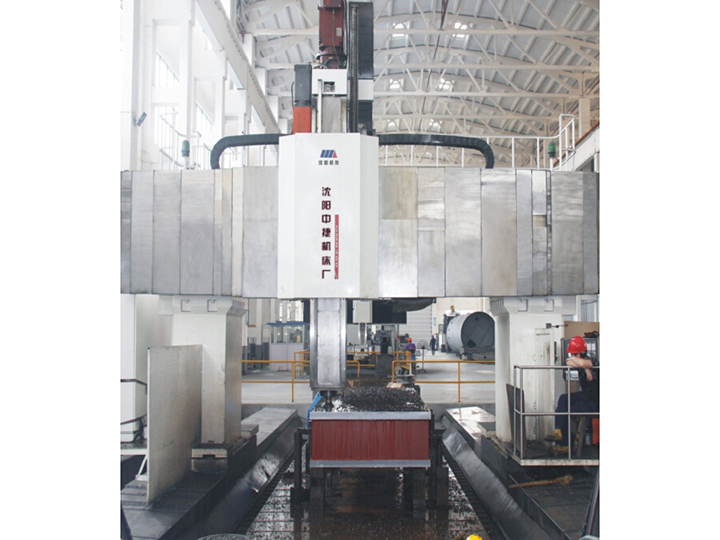
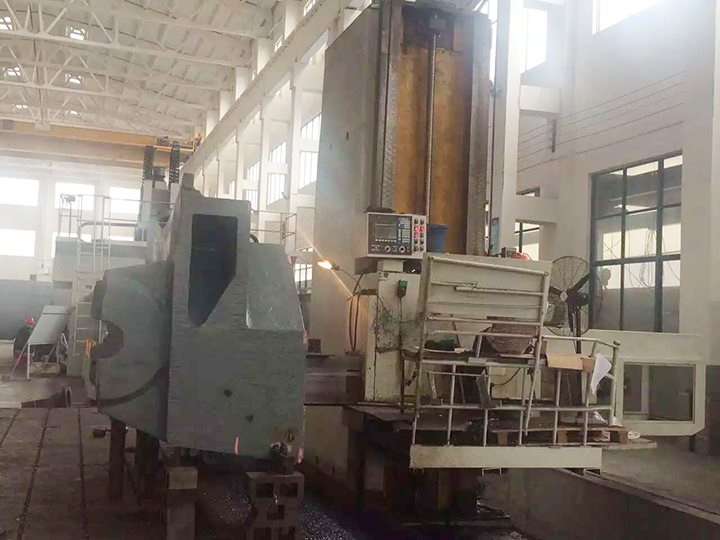
CNC precision machining system consists of high-rigidity machine tools, precise transmission modules, intelligent control units and auxiliary detection equipment. The main processing equipment includes precision CNC lathes, vertical milling machines, grinding machines and five-axis linkage machining centers. These machines adopt integral cast iron frames to minimize vibration and thermal deformation during operation. Equipped with high-precision servo motors, linear guide rails and high-speed spindles, the equipment ensures stable feeding and accurate positioning. In addition, precision measuring instruments such as micrometers and coordinate measuring machines are used to detect finished workpiece tolerance.
2. Standard Machining Process
CNC precision machining follows standardized and rigorous production procedures. Firstly, engineers complete workpiece modeling and programming through CAD/CAM software, setting reasonable cutting speed, feed rate and tool path. Secondly, raw materials are clamped stably on the worktable to reduce clamping deviation. The machine tool performs rough machining to remove excess material margin, followed by stress relief treatment to eliminate internal residual stress. After that, finish machining and fine grinding are carried out to optimize dimensional accuracy and surface roughness. Finally, finished products undergo strict dimensional inspection and surface testing before packaging and delivery.
3. Technical Advantages and Processing Characteristics
Compared with ordinary CNC machining, precision machining has prominent technical superiorities. Firstly, the machining tolerance can be controlled within ±0.005mm, meeting the assembly requirements of high-precision matching parts. Secondly, it realizes smooth surface finish with low roughness, reducing friction and abrasion of mechanical parts. Thirdly, digital programming ensures consistent product quality in mass production, effectively avoiding manual processing errors. Moreover, this technology is compatible with various materials, including carbon steel, stainless steel, aluminum alloy, copper and engineering plastics, adapting to diverse industrial processing demands.
4. Industrial Application Fields
CNC precision machining is widely applied in high-standard industrial manufacturing fields. In hydraulic and pneumatic industries, it produces honed tubes, piston rods and flange connecting parts to ensure equipment tightness and stability. In aerospace and automobile manufacturing, it processes lightweight structural parts and engine core components. In mold industry, it fabricates high-precision mold cavities and mold bases. Furthermore, it serves medical equipment, electronic instrumentation and intelligent automation machinery, providing reliable customized precision parts for high-end industrial equipment.
5. Development Trend and Conclusion
With the rapid progress of intelligent manufacturing, CNC precision machining is evolving toward intelligence, high efficiency and multi-functional integration. Modern processing equipment is equipped with real-time temperature compensation, vibration monitoring and automatic error correction systems. Five-axis linkage technology and ultra-precision grinding continuously improve processing accuracy. In conclusion, CNC precision machining is an indispensable foundational technology in advanced manufacturing. Its excellent accuracy, stability and compatibility provide strong technical support for the upgrading and iteration of modern industrial mechanical equipment.