Why Is Aluminum So Common in Custom CNC Machining?
Aluminum is common in custom CNC machining for several reasons:
Excellent machinability: aluminum alloys have low cutting forces, low tool wear, and high material removal rates.
Low density: aluminum is one-third the density of steel, making parts lighter.
High thermal conductivity: aluminum dissipates heat quickly, reducing thermal distortion.
Good surface finish: aluminum can be machined to Ra 0.4–0.8 µm without special processes.
Corrosion resistance: many aluminum alloys form a protective oxide layer.
Recyclability: aluminum is highly recyclable, reducing material cost.
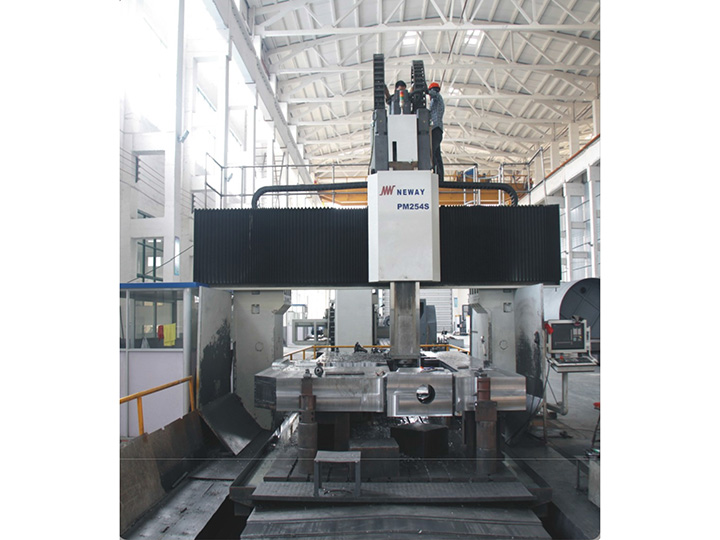
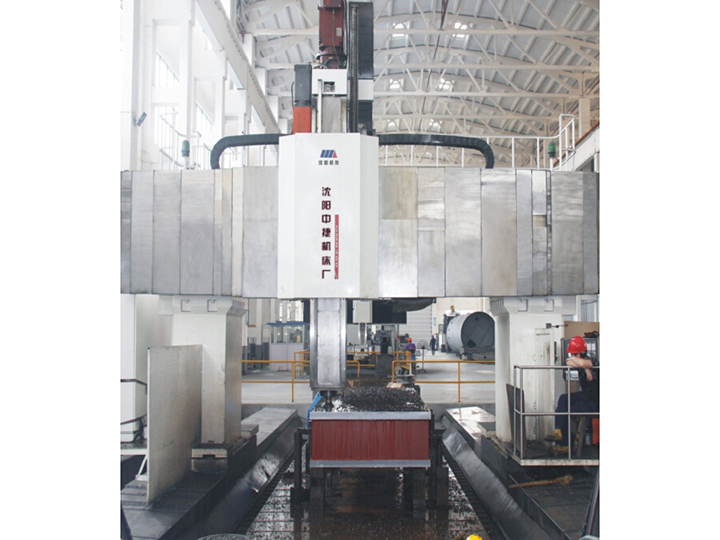
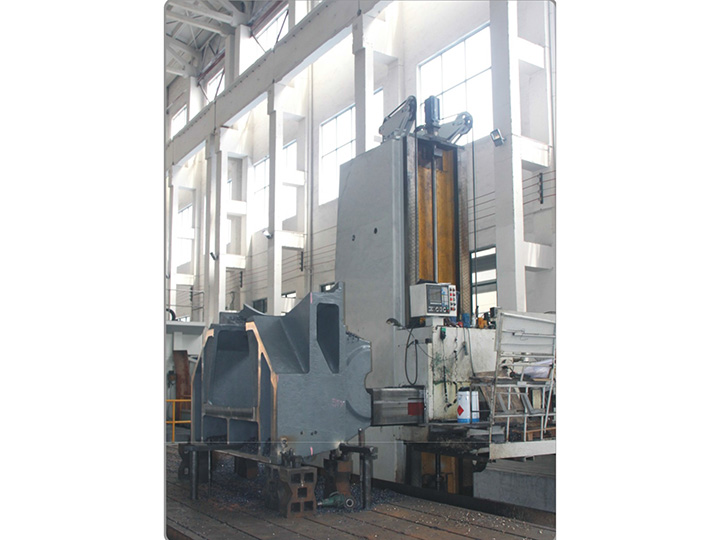
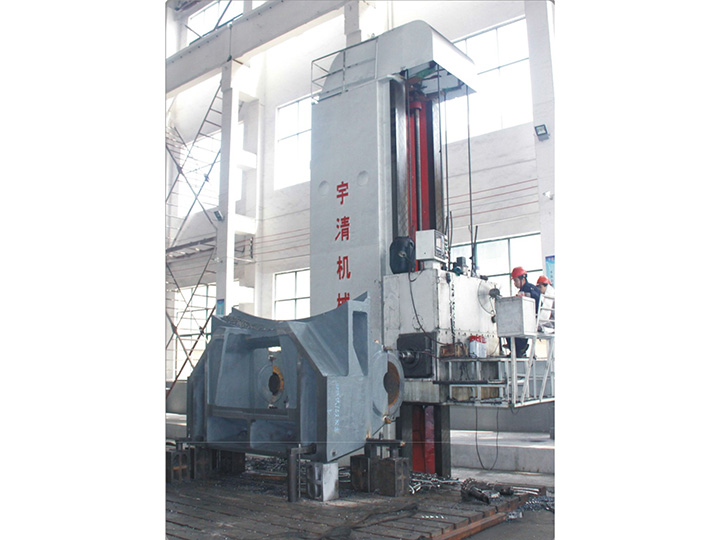
The combination of these properties makes aluminum the default choice for many custom parts. The Yuqing CNC machine tool processing capability is optimized for aluminum.
What Are the Common Aluminum Alloys for CNC Machining?
The most common aluminum alloys for CNC machining are:
|
Alloy |
Composition |
Tensile Strength |
Machinability |
Best For |
|
6061-T6 |
Al-Mg-Si |
310 MPa |
Good |
General purpose, structural parts |
|
7075-T6 |
Al-Zn-Mg-Cu |
572 MPa |
Good |
High strength, aerospace |
|
2024-T3 |
Al-Cu-Mg |
483 MPa |
Good |
Aerospace, structural |
|
5052-H32 |
Al-Mg |
230 MPa |
Fair |
Marine, sheet metal |
|
A356 (cast) |
Al-Si-Mg |
240 MPa |
Fair |
Castings, complex shapes |
|
A380 (cast) |
Al-Si-Cu |
320 MPa |
Good |
Die castings |
|
6063-T5 |
Al-Mg-Si |
185 MPa |
Good |
Extrusions, architectural |
|
MIC-6 |
Al-Mg-Si-Fe |
195 MPa |
Excellent |
Tooling plates, fixtures |
The choice depends on the strength requirement, the machinability, and the form (extruded, cast, plate). For most custom parts, 6061-T6 is the default. For high-strength applications, 7075-T6 is used. For complex shapes, cast alloys are used.
What Are the Recommended Cutting Parameters for Aluminum?
The recommended cutting parameters depend on the alloy, the tool, and the operation:
|
Alloy |
Tool |
Speed (SFM) |
Speed (m/min) |
Feed (IPT) |
Feed (mm/tooth) |
|
6061-T6 |
Carbide end mill |
800–1500 |
240–460 |
0.002–0.005 |
0.05–0.13 |
|
7075-T6 |
Carbide end mill |
700–1200 |
210–365 |
0.002–0.004 |
0.05–0.10 |
|
2024-T3 |
Carbide end mill |
600–1000 |
180–305 |
0.002–0.004 |
0.05–0.10 |
|
A356 (cast) |
Carbide end mill |
400–800 |
120–245 |
0.002–0.004 |
0.05–0.10 |
|
A380 (cast) |
Carbide end mill |
300–600 |
90–185 |
0.002–0.003 |
0.05–0.08 |
|
MIC-6 |
Carbide end mill |
1000–2000 |
305–610 |
0.003–0.006 |
0.08–0.15
|
These are starting points. The actual parameters depend on the machine, the tool, the chip load, and the surface finish requirement. The Yuqing export machined parts capability includes aluminum parts with a wide range of cutting parameters.
What Tooling Is Used for Aluminum?
Aluminum can be machined with high-speed steel (HSS) or carbide tooling. Carbide is preferred for production because of the higher cutting speeds and longer tool life.
Common tooling for aluminum:
Carbide end mills: square, ball, and bull-nose end mills in standard sizes (3, 6, 8, 10, 12, 16, 20 mm).
Coated carbide: uncoated carbide works well for aluminum; TiN or TiCN coatings can extend tool life in some applications.
Diamond-coated: for high-volume production or for abrasive aluminum alloys (e.g., high-silicon cast alloys).
Indexable insert mills: for facing and pocketing in high-volume production.
Drills: carbide drills in standard sizes for hole-making.
Taps: standard taps for internal threads; thread mills for larger threads.
The key to aluminum tooling is sharp cutting edges. Aluminum is soft and gummy; dull tools cause built-up edge and poor surface finish. Tools should be replaced or re-sharpened before they wear.
What Coolant Is Used for Aluminum?
Aluminum can be machined dry or with coolant. The choice depends on the operation and the part.
Dry machining:
Advantages: no coolant cost, no coolant disposal, no staining.
Disadvantages: higher tool wear, risk of thermal damage to the part, possible built-up edge.
Wet machining:
Advantages: lower tool wear, better surface finish, better chip evacuation.
Disadvantages: coolant cost, coolant disposal, possible staining.
For most aluminum machining, wet machining with a water-soluble coolant is preferred. The coolant provides lubrication and chip evacuation, extending tool life and improving surface finish.
For high-volume production or for parts that cannot be stained, minimum-quantity lubrication (MQL) or dry machining with coated tools may be used.
What Are the Common Defects in Aluminum Machining?
Common defects in aluminum machining:
|
Defect |
Cause |
Prevention |
|
Built-up edge |
Dull tool, low cutting speed |
Use sharp tool, increase speed |
|
Poor surface finish |
Dull tool, wrong feed, vibration |
Use sharp tool, adjust feed, reduce vibration |
|
Burrs at edges |
Dull tool, no chamfer |
Use sharp tool, add chamfer |
|
Chatter |
Insufficient rigidity, long tool |
Reduce tool overhang, adjust parameters |
|
Part distortion |
Residual stress, uneven clamping |
Stress relieve, balanced clamping |
|
Staining from coolant |
Wrong coolant concentration |
Use correct concentration, rinse parts |
|
Tool breakage in deep cavities |
Chip evacuation, tool wear |
Use peck drilling, replace tool
|
Each defect is preventable with discipline. For high-value parts, the first-article inspection is critical.
How Is Surface Finish Optimized for Aluminum?
Surface finish for aluminum is optimized by:
Sharp tooling: a sharp tool produces a better surface finish than a worn tool.
High cutting speeds: aluminum can be machined at high speeds (up to 2000 SFM for some alloys).
Fine feeds: lower feed per tooth produces a finer surface finish.
Light cuts: shallow cuts (0.1–0.5 mm) produce a finer finish than deep cuts.
Coolant: proper coolant flow improves surface finish and chip evacuation.
For a typical aluminum part, Ra 0.8–1.6 µm is achievable with standard tooling and parameters. Ra 0.4 µm is achievable with sharp tooling, fine feeds, and light cuts. Ra 0.2 µm requires grinding or polishing.
How Is Tolerance Achieved for Aluminum?
Tolerance for aluminum is achieved by:
Machine calibration: the machine must be calibrated to the required tolerance.
Tool wear compensation: the control compensates for tool wear based on measurement.
Thermal management: the machine and the part must be at thermal equilibrium.
Fixture design: the fixture must locate the part repeatably.
Cutting parameters: the cutting parameters must balance material removal and tool deflection.
For most aluminum parts, IT7–IT9 is achievable on standard CNC machines. IT6 requires special care, including thermal management, tool wear compensation, and high-quality machines.
What Are the Common Surface Treatments for Aluminum?
Common surface treatments for aluminum:
Anodizing (Type II): sulfuric acid anodizing; produces a thin, decorative oxide layer. Can be dyed in various colors.
Anodizing (Type III, hardcoat): thicker oxide layer for wear resistance.
Chromate conversion coating (Alodine): thin conversion coating for corrosion protection.
Powder coating: polyester or epoxy powder coating for corrosion and wear protection.
Wet painting: liquid paint for cosmetic finishes.
Electroplating: for electrical conductivity (e.g., nickel, tin).
Polishing: for cosmetic finishes or for surfaces that require low friction.
The choice depends on the application. Anodizing is the most common for aluminum parts.
How Are Aluminum Parts Quoted?
Aluminum parts are quoted based on:
Material cost: the cost of the aluminum billet or plate.
Cycle time: the time to machine the part.
Tooling cost: the cost of the cutting tools.
Setup cost: the cost of setting up the machine and the fixture.
Inspection cost: the cost of measuring the part.
For a typical aluminum part, the cycle time dominates. The cutting parameters for aluminum are aggressive (high speeds, high feeds), so the cycle time is short compared to steel.
The Yuqing export machined parts capability includes aluminum parts at competitive prices.
What Is the Future of Aluminum Machining?
Trends in aluminum machining:
Higher spindle speeds: machines with 20,000–40,000 RPM spindles for high-speed aluminum machining.
Improved tooling: new carbide grades and coatings for longer tool life.
Automation: robotic loading and unloading of aluminum parts.
Hybrid additive-subtractive: additive manufacturing of near-net-shape aluminum parts, followed by machining.
Sustainability: increased use of recycled aluminum to reduce material cost and environmental impact.
For a custom machine shop, the trend toward higher spindle speeds and improved tooling is making aluminum machining faster and more economical.
Conclusion
Aluminum is the most commonly machined non-ferrous metal for
custom CNC parts. The three most common alloys are 6061 (general purpose), 7075 (high strength), and cast alloys (complex shapes). The cutting parameters depend on the alloy, the tool, and the operation. The tooling is typically carbide, with sharp cutting edges and high spindle speeds. The surface treatments include anodizing, powder coating, plating, and painting. Yuqing's CNC machine tool processing, export machined parts, and processing of mechanical parts capabilities cover a wide range of aluminum parts.
Frequently Asked Questions
What is the best aluminum alloy for CNC machining?
6061-T6 is the most common and versatile. For high-strength applications, 7075-T6 is used. For complex shapes, cast alloys (A356, A380) are used.
What spindle speed is used for aluminum?
Spindle speeds for aluminum range from 6,000 to 20,000 RPM, depending on the tool diameter and the alloy. Smaller tools and softer alloys allow higher speeds.
What feed rate is used for aluminum?
Feed rates for aluminum range from 0.05 to 0.15 mm per tooth, depending on the tool, the alloy, and the operation. Higher feeds are used for roughing; lower feeds for finishing.
What is the typical surface finish for machined aluminum?
Ra 0.8–1.6 µm is typical for standard machining. Ra 0.4 µm is achievable with sharp tooling and fine feeds. Ra 0.2 µm requires grinding or polishing.
Can aluminum be machined dry?
Yes, aluminum can be machined dry with coated carbide tools. However, wet machining with coolant typically produces better tool life and surface finish.
What is the difference between 6061 and 7075?
6061 is a general-purpose alloy with good machinability and moderate strength (310 MPa tensile). 7075 is a high-strength alloy (572 MPa tensile) used in aerospace applications. 7075 is more expensive and slightly harder to machine.
What is built-up edge in aluminum machining?
Built-up edge is a layer of workpiece material that adheres to the cutting tool. It occurs with dull tools or low cutting speeds. It causes poor surface finish and accelerates tool wear.
How is burr prevented in aluminum machining?
Burrs are prevented by using sharp tools, adding chamfers to edges, and adjusting cutting parameters. Some alloys are more prone to burrs than others.
What is the cost difference between aluminum and steel machining?
Aluminum machining is typically faster and cheaper than steel machining due to higher cutting speeds and lower tool wear. The material cost may be higher for aluminum, but the machining cost is lower.
What is the typical tolerance for aluminum CNC parts?
IT7–IT9 is typical for standard CNC machining of aluminum. IT6 is achievable with high-quality machines and careful setup.
What anodizing colors are available for aluminum?
Anodizing can be produced in a wide range of colors: clear, black, red, blue, green, gold, and custom colors. The color is achieved by dyeing the anodized layer.
What is the lead time for anodizing?
Anodizing lead time is typically 3–7 days, depending on the part size, the quantity, and the anodizing type (Type II or Type III).