In the field of modern precision manufacturing, CNC machining (short for Computer Numerical Control Machining) has long been a core technology—it replaces traditional manual operations with digital instructions, allowing machine tools to act like precision digital tailors that transform designers' ideas into high-precision physical parts. From tiny components in mobile phones to complex blades in aircraft engines, CNC machining is reshaping the production models of the manufacturing industry.
I. The Core Principle of CNC Machining: How Do Digital Instructions Command Machine Tools?
Engineers first use CAD software (Computer-Aided Design) to create a 3D model of the workpiece (such as a curved gear), then use CAM software (Computer-Aided Manufacturing) to convert the model into G-code that the machine tool can understand—this code is like a processing instruction manual, detailing parameters such as tool path, rotational speed, and feed rate (the speed at which the tool moves). After the machine tool's numerical control system reads the G-code, it automatically controls the relative movement of the tool and the workpiece to precisely perform operations such as cutting, milling, and drilling. The entire process requires no manual adjustment; all actions are executed by the computer with zero error.
II. Main Equipment for CNC Machining: The Hardware Foundation of Stability and Precision
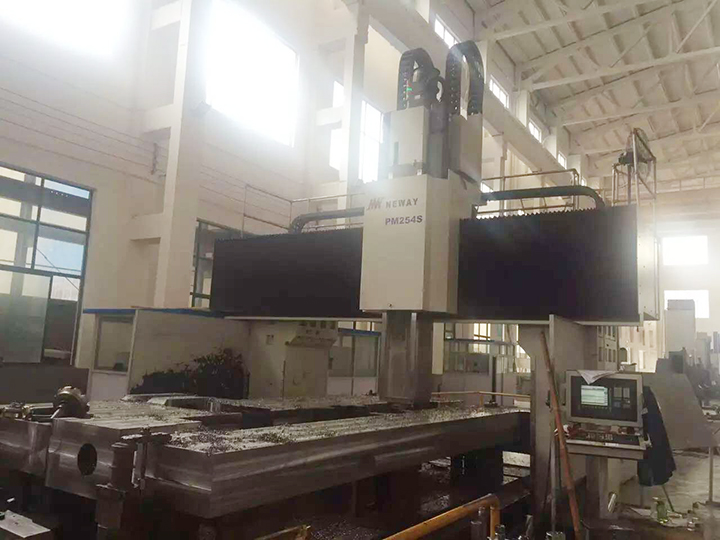
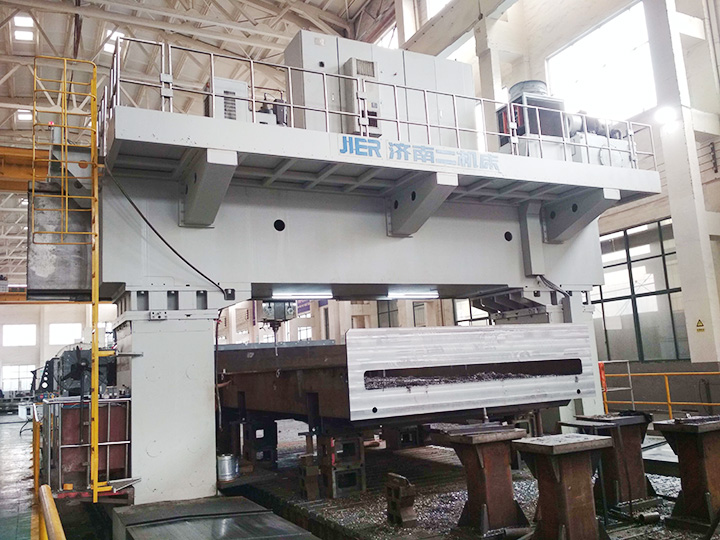
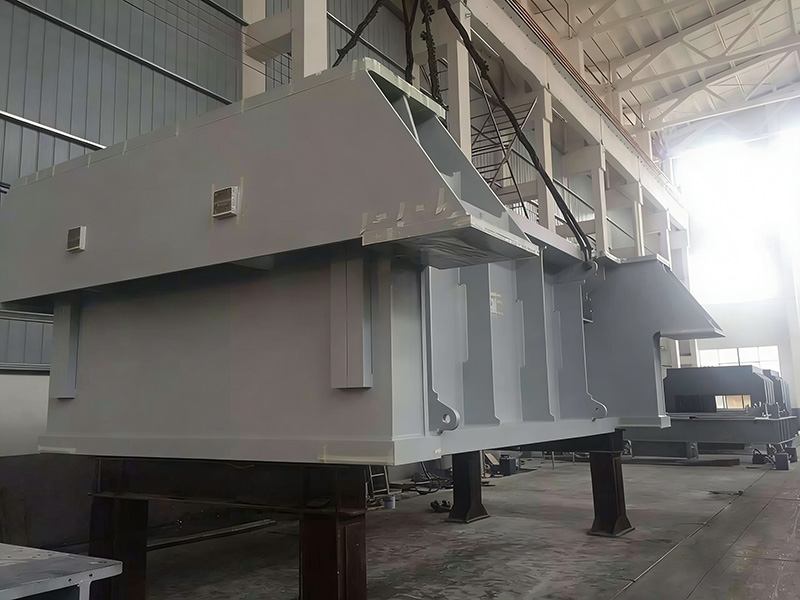
The equipment supporting CNC machining mainly includes lathes, milling machines, boring mills, etc., which are equipped with numerical control systems and can achieve micrometer-level precise movement:
For example, when machining a 10-millimeter-diameter round hole, the error of a CNC machine tool can be controlled within ±0.001 millimeters (equivalent to 1/100 of a hair's diameter); even when producing 1000 pieces in batches, the size and shape of each workpiece are completely consistent—a level of stability that traditional manual machining cannot achieve.
III. The 4 Core Advantages of CNC Machining: Solving the Pain Points of Traditional Machining
Compared with traditional mechanical machining, the advantages of CNC machining lie in its ability to break through the limitations of manual labor and equipment:
1. Stable Quality and Zero Error Precision
Traditional manual machining relies on the operator's experience and is prone to errors due to fatigue or misjudgment; while CNC machining is fully controlled by a computer, ensuring that the precision and quality of each workpiece are completely consistent whether processing 1 piece or 1000 pieces. This is crucial for industries such as automotive and medical that require high reliability (for example, the precision of medical implants directly affects surgical outcomes).
2. Complex Parts Handled with One Click
For parts with curved surfaces, special-shaped structures, or polyhedrons that cannot be processed by traditional machine tools (such as aircraft engine blades and curved chamfers of mobile phone middle frames), CNC machining can perfectly replicate every detail of the CAD model through precise control of G-code—like carving complex artworks with a digital knife.
3. Flexibly Adapting to Small-Batch Customization
Whether it is 1 customized industrial accessory or 100 small-batch cultural and creative products, CNC machine tools can switch processing plans by simply modifying the G-code without replacing molds or adjusting equipment. This greatly reduces the cost of customized production, making small-batch, multi-variety demands possible.
4. Breaking the Boundaries of Traditional Machining
Tasks such as deep hole machining and thin-walled part machining that are easy to deform and difficult to control (such as the thin-walled shell of a mobile phone battery), CNC machining can avoid part deformation or tool damage by adjusting cutting parameters (such as rotational speed and feed rate), completing processing tasks that cannot be achieved by traditional methods.
IV. The Future of CNC Machining: From Automation to Intelligence
Today, CNC machining is deeply integrating with artificial intelligence (AI): AI algorithms can analyze processing data to automatically optimize tool paths (for example, reducing redundant movements to shorten processing time by more than 10%); they can also predict equipment wear and provide early fault warnings (for example, when a tool is about to be damaged, the system will automatically remind for replacement). This intelligent CNC not only improves efficiency but also transforms the processing process from passive execution to active decision-making—for example, when encountering complex curved surfaces, AI will automatically select the optimal cutting strategy to avoid human errors.
Conclusion: CNC Machining, the Cornerstone of Modern Manufacturing
From automobile gearboxes to medical surgical instruments, from aerospace equipment to consumer electronics, CNC machining has become the core engine of modern manufacturing. It uses digital technology to break the limitations of traditional machining, making high-precision, complex, and customized production demands a reality. For the manufacturing industry, mastering CNC machining technology is equivalent to holding the admission ticket to future precision manufacturing—after all, in an era pursuing extreme precision, only digitally controlled machine tools can produce products of the digital age.